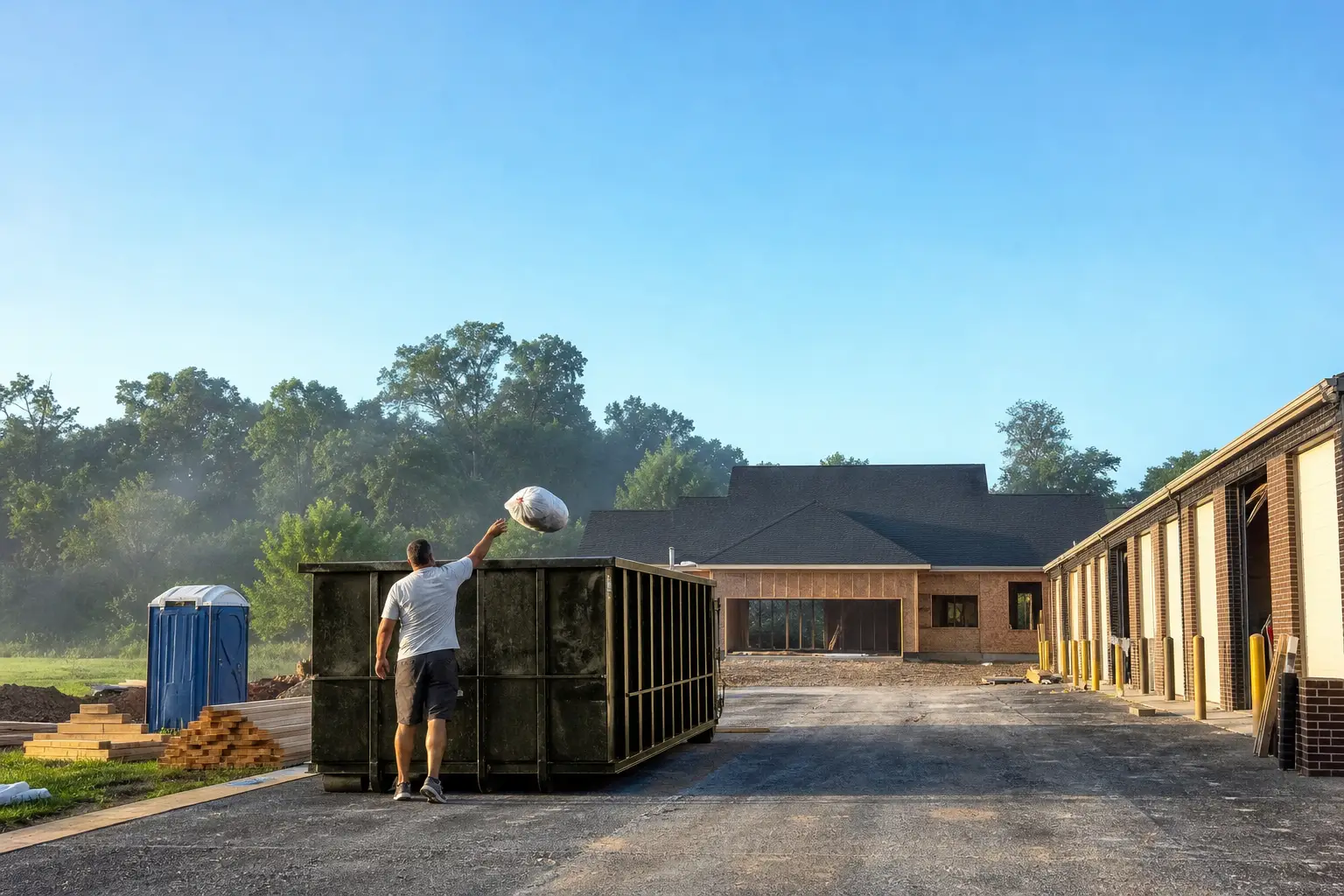
- Open 24/7, Monday to Sunday
- Serving Rock Island County
Common project types
Blue Grass dumpsters fit home and property work
A container is useful only when its size and placement match the material. These are the jobs most often discussed for Blue Grass properties, from interior updates to seasonal cleanup and construction work.
Home Cleanout Dumpsters
For Blue Grass homes, a cleanout container can hold furniture, household contents, and general debris while leaving the driveway usable. Describe stairs, detached buildings, and the distance from the road before placement is planned.
Household projectsRemodeling Debris Dumpsters
Blue Grass kitchen, bath, and room renovations produce bulky material in uneven stages. A dumpster keeps drywall, cabinets, flooring, and packaging together, but dense debris should be discussed before loading so the container remains within handling limits.
Renovation debrisRoofing Dumpsters
Roof work at a Blue Grass home needs a placement point close enough for tear-off but clear of vehicles, gutters, and access routes. Mention the roof material and driveway approach so the container can be positioned around the work.
Roof replacementMoving and Estate Cleanouts
Moving and estate work in Blue Grass may involve a house, garage, shed, or outbuilding rather than one interior space. Identify each loading area and keep heavy items distributed instead of building one unstable pile.
Property transitionsYard Waste Dumpsters
Seasonal yard cleanup around Blue Grass lots can involve branches, brush, and storm debris. Separate material that may have special handling requirements, and explain whether the truck must travel over grass, gravel, or a narrow lane.
Outdoor cleanupConcrete and Heavy Debris Dumpsters
Concrete, brick, soil, and other dense material require a different loading conversation than ordinary remodeling debris in Blue Grass. Provide the material type and estimated amount before delivery so the container and placement are not chosen blindly.
Dense materials
Contractor planning
Blue Grass job sites need a placement plan
Contractors working in Blue Grass should plan the container location before demolition begins, not after the driveway is filled with material. A rural approach can require extra room for the truck to enter, align, and leave without crossing a soft shoulder. On a commercial or mixed-use site, the container may need to stay clear of customer parking, delivery paths, fire access, or an active work zone. Share the site address, access direction, surface, overhead obstructions, and expected material. Amelie Dumpster Rental confirms drop placement and pickup scheduling before each delivery, with the location recorded for the crew handling the route.
Swaps require the same discipline. If debris will accumulate faster than one container can hold, discuss the sequence before the first box arrives. A pickup may need to happen before a concrete pour, framing delivery, roofing phase, or scheduled commercial activity. Do not stack material above the rim or allow debris to spread into the truck path. On a Blue Grass project with a long approach, a poorly placed container can delay equipment movement and create extra handling. A simple site sketch, gate detail, and preferred placement area make the exchange plan more workable.
Blue Grass conditions
Blue Grass access changes how placement is planned
Blue Grass has a rural edge that can make a short-looking delivery approach take more care. A driveway may extend farther from the road, narrow between buildings, or meet the road at a soft shoulder. Spring rain and freeze-thaw conditions can leave gravel and turf less stable than they appear. Before dispatch, Amelie Dumpster Rental needs to know the intended placement, surface, overhead clearance, and approach. That information helps keep the container on a firm area instead of forcing a loaded truck onto ground that may rut or shift.
Many Blue Grass properties have larger lots, detached garages, farm-related outbuildings, and driveways that do not follow a uniform subdivision pattern. A container that fits beside one home may block a turnaround or interfere with equipment at another. Leave room for the delivery truck to straighten out, and do not assume a gate opening describes the full route. Fences, parked trailers, low branches, utility lines, and retaining edges all matter. A placement photo or clear description before delivery gives the crew a better chance to plan the approach correctly.
The village also includes homes and businesses close to roads where traffic, sightlines, and public right-of-way questions can affect placement. If the container must sit on pavement outside your property, permission from the responsible authority may be needed first. Tell Amelie Dumpster Rental whether the site is residential, commercial, or connected to a rural lane. Have the address, surface type, approximate driveway width, and debris category ready so the placement discussion is based on the actual Blue Grass site.
Before delivery
Prepare the Blue Grass site before the truck arrives
- Mark a firm Blue Grass placement area away from soft shoulders, drainage paths, and active vehicle traffic.
- Measure the driveway approach and identify gates, branches, wires, parked vehicles, and tight turns.
- Separate concrete, soil, roofing material, and household debris before describing the dumpster load.
- Keep Blue Grass loading access open for the truck throughout the scheduled delivery and pickup.
- Have the property address, surface type, project material, and preferred placement area ready for discussion.
Local questions
Questions about dumpster rental in Blue Grass
How does dumpster delivery work on rural Blue Grass driveways?
Dumpster delivery to a rural Blue Grass driveway starts with checking the approach, surface, width, overhead clearance, and intended placement. Longer approaches may require more room for the truck to align safely. Explain gates, soft shoulders, branches, and utility lines before scheduling. Clear parked vehicles and trailers from the route before delivery day.
What dumpster size fits a Blue Grass home cleanout?
A Blue Grass home cleanout usually needs a size based on the rooms, garage, outbuildings, and material being removed, not the address alone. A smaller container can suit a limited garage project, while a full property cleanout may need more capacity. List the areas being cleared and identify heavy items before choosing.
Can a dumpster sit on the street in Blue Grass?
A dumpster placed on a Blue Grass public street or other right-of-way may require permission from the responsible authority before delivery. Placement on private property is usually simpler, but the surface and access still need review. Tell Amelie Dumpster Rental where the container must sit, then confirm any local requirement before reserving that location.
How should contractors plan dumpster swaps in Blue Grass?
Contractors should plan Blue Grass dumpster swaps around demolition stages, material deliveries, parking needs, and the truck’s approach. Keep the access lane open and discuss the next container before the first one becomes overloaded. Share the project sequence, site conditions, and preferred exchange area so pickup does not interfere with active work.
What materials can I put in a Blue Grass dumpster?
A Blue Grass dumpster commonly handles ordinary household contents, remodeling debris, roofing material, yard waste, and construction debris, depending on the load. Dense materials such as concrete, brick, soil, and similar debris should be identified before delivery. Keep prohibited or uncertain materials separate and describe them during scheduling so handling can be confirmed.
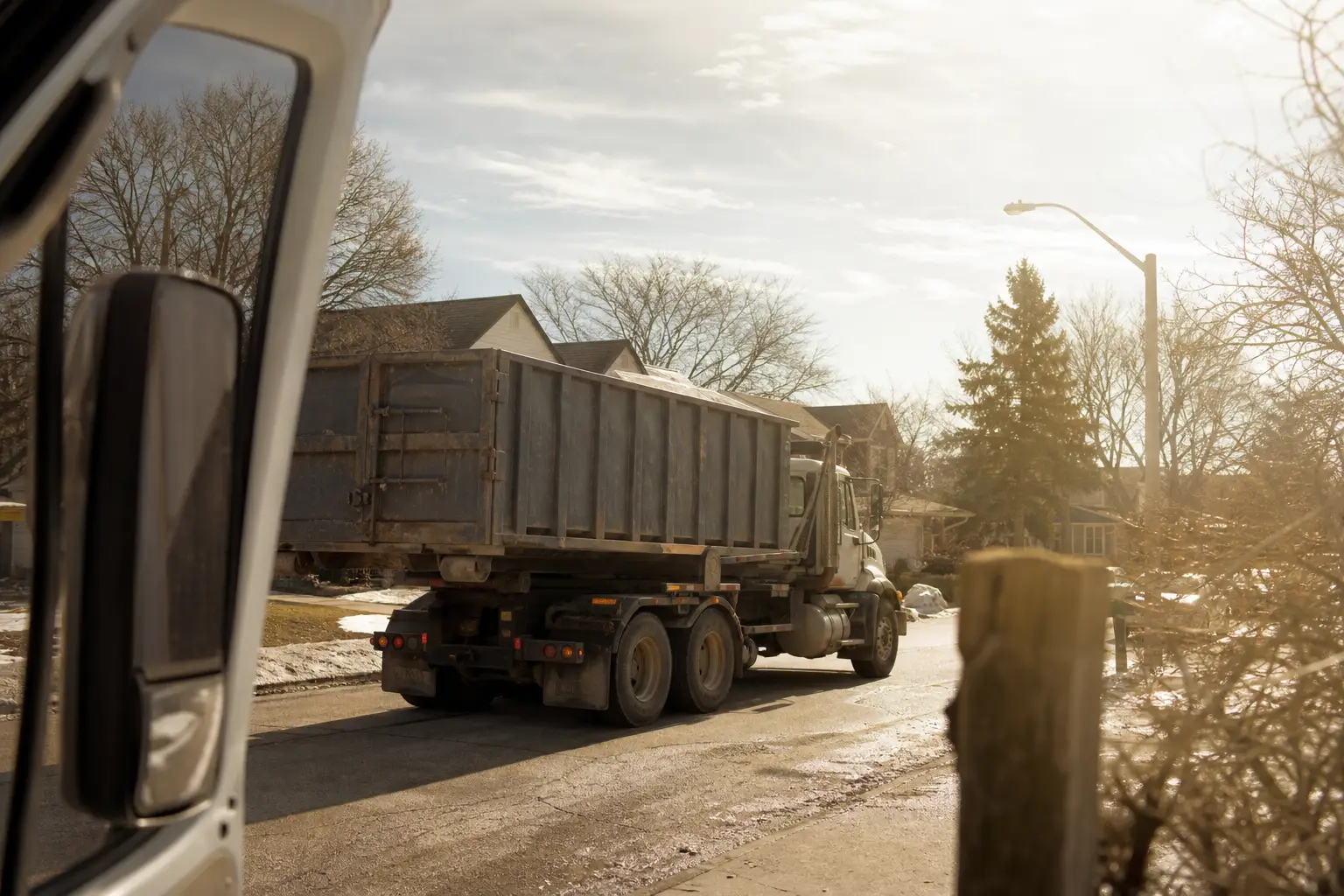
Plan the Blue Grass placement before loading starts
Tell Amelie Dumpster Rental what you are removing, where the container should sit, and how the truck reaches the property. Have the address, surface details, access obstacles, and preferred schedule ready when you call.
Click Here to Call(309) 903-0907Nearby routes
Routes around Blue Grass receive local delivery planning
Amelie Dumpster Rental serves Blue Grass from Rock Island and plans each route around the property’s actual approach. Coverage includes residential streets, rural edges, commercial areas, and nearby corridors where placement conditions differ. The village’s longer driveways and open lots can require more detail than a standard urban delivery, so provide the exact address and access notes when arranging service. That helps the crew distinguish the road approach from the final container position.