- Open 24/7, Monday to Sunday
- Serving Rock Island County
Moline placement details
Moline driveways need a placement plan
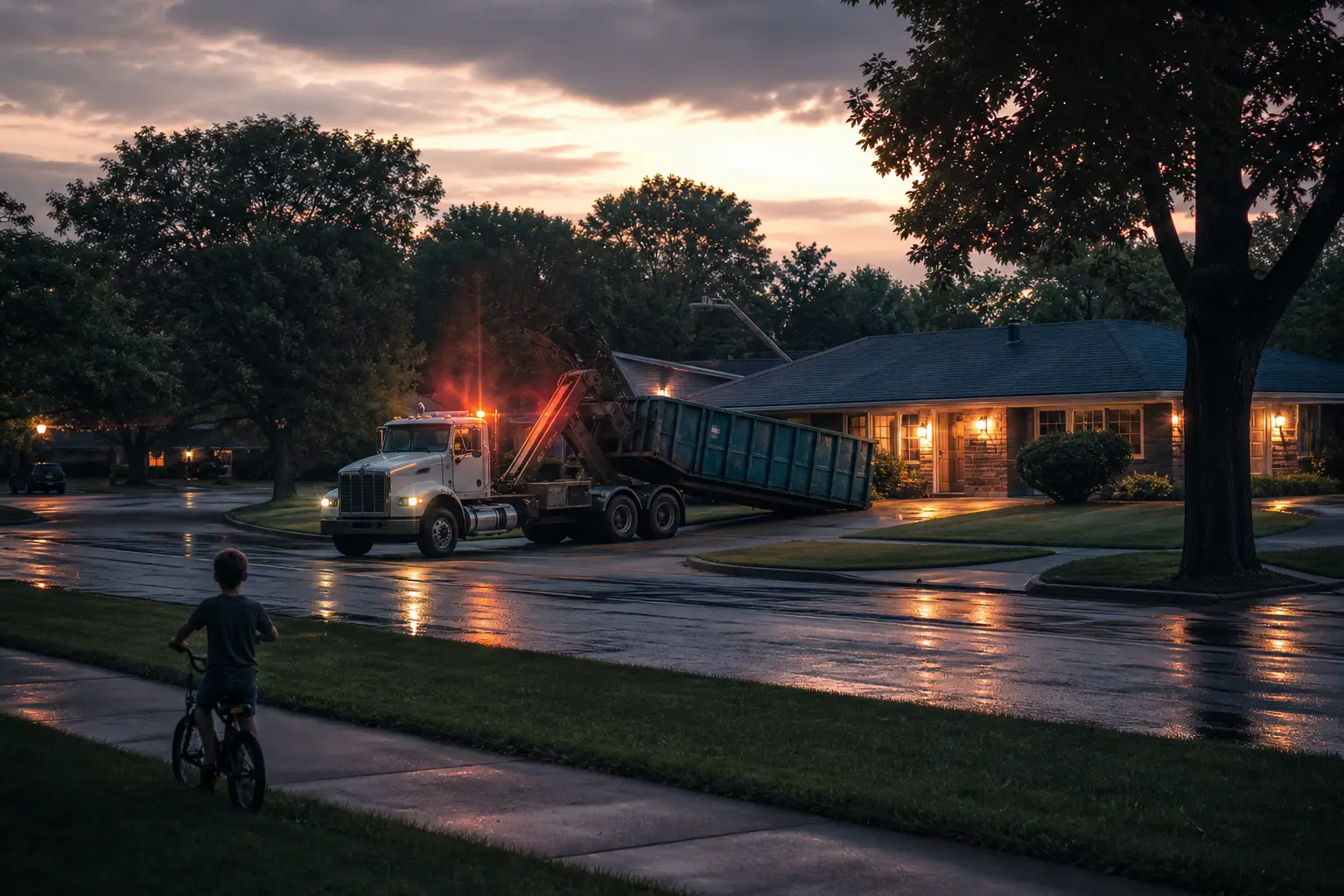
Moline has many older residential blocks where driveways are narrow, shared, sloped, or bordered by mature trees. That changes more than convenience. The truck needs a clear approach, the container needs room to sit level, and overhead branches or utility lines can rule out an otherwise obvious spot. On compact lots near older housing, a container may fit better along the side drive than directly in front of the house. Amelie Dumpster Rental reviews the access conditions before delivery and confirms where the container will be placed, rather than leaving the driver to improvise at the curb.
Weather can change the ground under a container. Spring thaw, heavy summer rain, and freeze cycles can soften shoulders and unpaved driveways, especially where drainage is poor. A paved surface is usually simpler, but it still needs enough width and clearance for the delivery truck. If the only practical position is on a public street, town permission may apply before placement. Tell us the surface, slope, driveway width, and nearby obstacles so the delivery plan reflects the actual Moline property.
Moline work ranges from kitchen updates in established neighborhoods to commercial remodeling along major corridors. Roofing shingles, broken masonry, soil, concrete, and mixed renovation debris do not behave alike. Heavy material can exceed a container's safe loading limits before the box looks full, while bulky household debris takes space quickly. We help match the container to the material and the access conditions. Trucks come from Rock Island, and the placement review is completed before each delivery so the route and drop point are understood in advance.
Load planning
Older Moline homes can change the size decision
Moline's established neighborhoods include older houses with plaster walls, wood framing, masonry steps, narrow garages, and compact driveways. A kitchen or bathroom renovation may create dense tile and cabinet debris, while a whole-room teardown adds drywall, trim, flooring, and insulation. Those materials occupy space differently. Broken plaster settles tightly, cabinets leave air pockets, and long boards can consume usable capacity even when they are not especially heavy. The best container is not automatically the largest one. It must fit the driveway and handle the material without creating an overweight load or a blocked access route.
Weight deserves extra attention with roofing, concrete, brick, dirt, and wet yard debris. A full-looking container of light household material may be acceptable, while a partly filled box of masonry may already be too heavy for safe handling. Moline's freeze and thaw cycles can also leave unpaved approaches soft, making placement more sensitive after rain or spring thaw. Describe the material, approximate pile shape, surface, slope, and overhead clearance. That information lets us recommend a practical size and identify problems before the truck reaches the property.
Common Moline projects
Pick the dumpster for your Moline job
These are the loads we see most often around Moline. Material type matters as much as volume, especially when older homes produce dense plaster, masonry, flooring, or roofing debris.
Home Cleanout Dumpsters
Moline home cleanouts often involve tight side drives, basements, and older plaster or wood materials. Choose a box that leaves room for bulky furniture without blocking the neighbor's access.
Household debrisRemodeling Debris Dumpsters
For Moline kitchen and bathroom renovations, separate dense tile, cabinets, drywall, and framing from ordinary household waste. A clear driveway approach helps protect siding, landscaping, and parked vehicles.
Renovation materialRoofing Dumpsters
Moline roofing jobs produce heavy shingles that fill a container's weight allowance quickly. Keep the box close enough for tear-off work, but clear of eaves, garage doors, and narrow approaches.
Roof tear-offMoving and Estate Cleanouts
Moving and estate cleanouts in Moline can combine furniture, boxes, appliances, and household goods. We account for bulky items and the limited driveway space common around older blocks.
Move-out debrisYard Waste Dumpsters
Moline yard projects may include brush, roots, fencing, and storm-damaged limbs. Keep branches contained and confirm accepted materials before loading, particularly after wet weather softens a side yard.
Outdoor cleanupConcrete and Heavy Debris Dumpsters
Concrete, brick, soil, and masonry from Moline properties require careful load planning because weight builds faster than volume. Smaller amounts may be more practical than filling a large box.
Dense materials
Moline rental questions
Answers before your dumpster arrives
How do I choose a dumpster size for a Moline home project?
Choose by material, pile volume, driveway space, and weight, not by the room name alone. A Moline bathroom remodel may need less capacity than a whole-house cleanout, while roofing, concrete, brick, and soil become heavy quickly. Describe the debris and access area, then clear parked vehicles, branches, and gates before delivery.
Can a dumpster fit in an older Moline driveway?
Often, but the driveway width, slope, surface, overhead clearance, and truck approach must be checked first. Older Moline homes commonly have narrow or shared drives, mature trees, and garages close to the property line. Measure the approach, remove obstructions, and explain whether the box must sit beside a house, garage, or curb.
Can I place a dumpster on a Moline street?
A container on a public Moline street usually needs town permission first, and the applicable requirements depend on the exact location. Private driveways are generally simpler when the truck can enter safely and the ground can support the load. Tell us the street, surface, and placement area before scheduling so the access plan is clear.
What materials are too heavy for a Moline dumpster?
Concrete, brick, dirt, roofing shingles, and wet masonry require special load planning because weight can become unsafe before the container is full. Moline remodeling and repair work often produces these dense materials in concentrated amounts. Keep heavy debris separate, avoid mixing large soil loads with bulky waste, and describe the material before choosing a size.
How should I prepare for dumpster delivery in Moline?
Clear the delivery path and placement area, measure the driveway, move vehicles, protect the surface, and identify branches or wires. Moline properties can have tight residential approaches and soft ground after rain or thaw. Keep debris away from the top edge, leave room for safe loading, and explain any shared access or street placement concern.
Before delivery
Prepare your Moline property for placement
- Measure the Moline driveway width and note slopes, soft ground, branches, wires, and parked vehicles.
- Keep the planned Moline container area clear of cars, trailers, landscaping materials, and household items.
- Separate concrete, brick, soil, roofing, and other dense Moline project materials before loading.
- Protect a paved Moline driveway with suitable boards or ask about surface protection before placement.
- Tell us about gates, shared drives, street placement, and any Moline access restriction before scheduling.
Plan the right Moline dumpster before loading
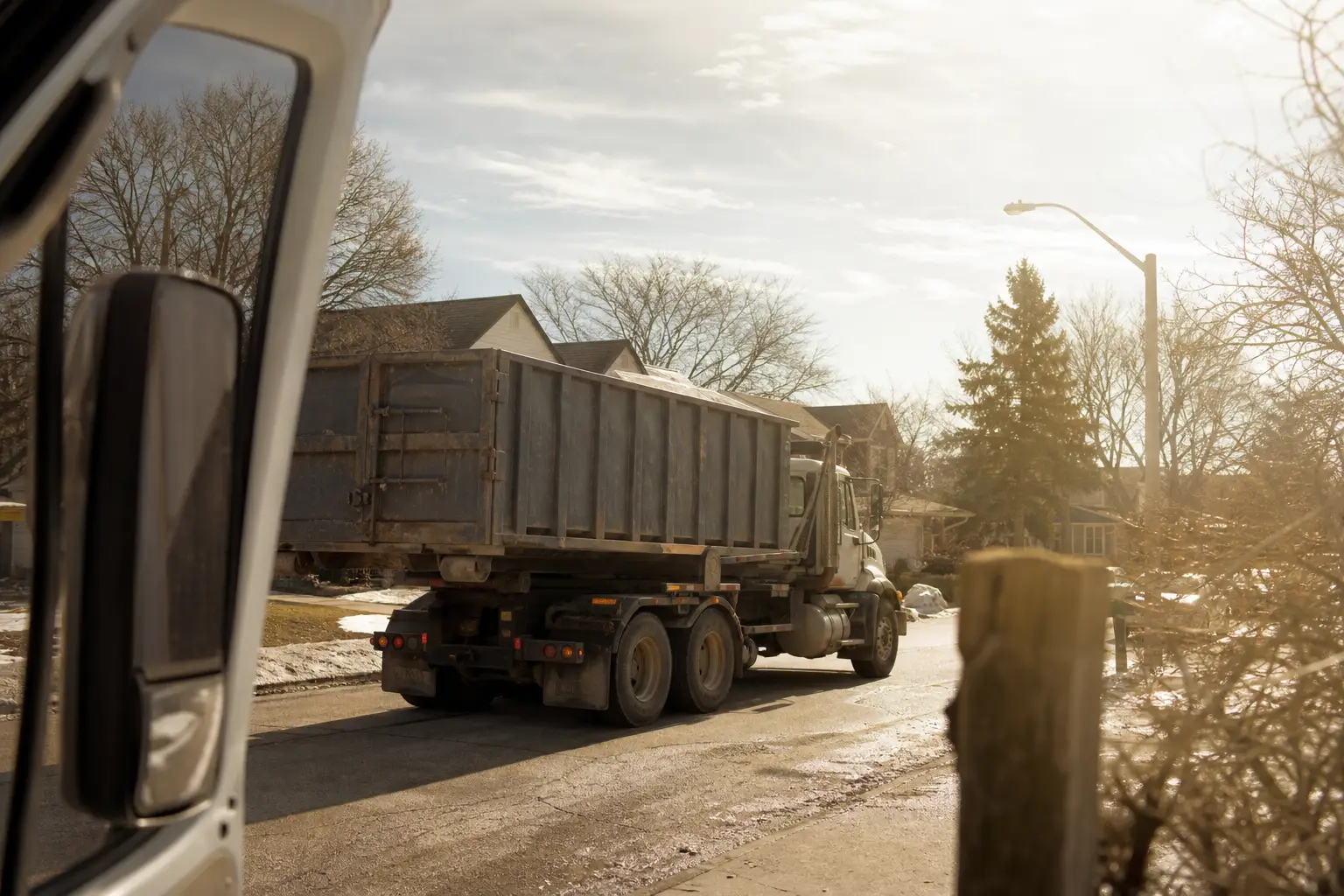
Have the property address, debris type, approximate pile size, driveway measurements, and preferred placement area ready. Amelie Dumpster Rental can review the access details and explain the practical container choice for your project.
Click Here to Call(309) 903-0907Moline service area
Dumpster delivery across Moline neighborhoods
Amelie Dumpster Rental serves residential blocks, commercial corridors, and mixed-use areas throughout Moline. Placement planning matters near older homes, compact lots, shared driveways, and busy streets, while larger properties may have more workable access. Share the neighborhood, project material, and intended drop location so the delivery plan matches the property rather than relying on a generic assumption.